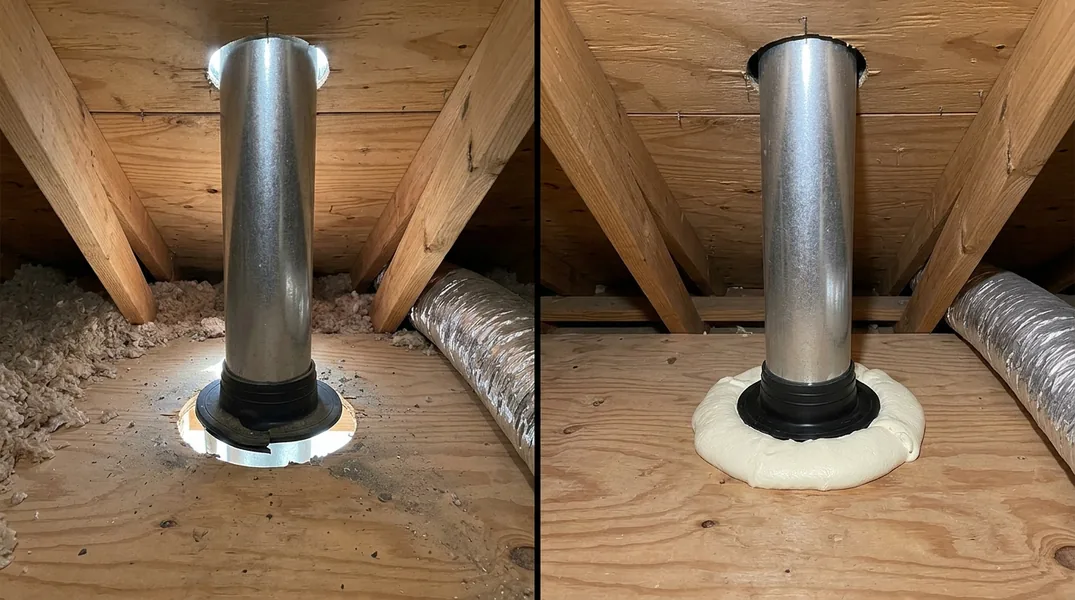
Understanding Air Sealing and Spray Foam: What's the Difference?
When homeowners in Midland think about improving their attic insulation, they often hear two terms used interchangeably: air sealing and spray foam insulation. While both address energy efficiency, they serve different purposes and work best in different situations. Air sealing focuses on closing gaps, cracks, and penetrations where conditioned air escapes, while Attic Spray Foam Insulation provides both an air barrier and significant thermal resistance in a single application.
Air sealing typically involves using caulk, weatherstripping, or foam sealant to plug specific problem areas. This approach is less invasive and less expensive, making it an attractive first step for many homeowners. However, it doesn't add R-value to your attic in the way that spray foam does. Spray foam, on the other hand, expands to fill cavities completely, simultaneously sealing air leaks and insulating. Understanding which approach your home needs depends on your current insulation levels, your budget, and your energy goals.
Spray Foam Insulation R-Value Per Inch and Why It Matters
One of the most important factors when evaluating Attic Spray Foam Insulation is understanding the spray foam insulation R-value per inch. Closed Cell Spray Foam Insulation typically delivers between 6.0 and 7.0 R-value per inch, while Open Cell Spray Foam Insulation provides approximately 3.5 to 3.6 R-value per inch. This difference is crucial because it determines how thick your spray foam needs to be to meet recommended R-value requirements by state and local building codes.
For Texas homes, the recommended attic R-value typically ranges from R-38 to R-49, depending on your specific climate zone and cooling needs. In Midland's hot climate, achieving R-49 is often recommended to maximize cooling efficiency and reduce energy costs. With closed cell foam at 6.5 R-value per inch, you would need approximately 7.5 inches to reach R-49. With open cell foam at 3.6 R-value per inch, you'd need about 13.6 inches. This is why understanding how thick should spray foam be is essential to your decision-making process. Thicker applications mean higher costs but greater energy savings and comfort over time.
When Air Sealing Alone Is Sufficient for Your Attic
Air sealing alone may be the right choice if your attic already has adequate insulation in place. If you have existing fiberglass batts or blown-in cellulose that meets or exceeds your area's R-value requirements, the primary energy loss you're experiencing is likely from air leakage around vents, electrical penetrations, and other gaps. In these cases, strategic air sealing can dramatically improve your home's energy performance without the expense of adding new insulation material.
Air sealing is also the practical choice if you have limited access to your attic or unusual structural configurations that make spray foam application difficult. Additionally, if your attic has existing moisture issues or ventilation problems, air sealing may need to be addressed before any new insulation is installed. The cost of air sealing is typically a fraction of a full spray foam installation, making it an excellent entry point for homeowners on tighter budgets. However, if your existing insulation is thin, degraded, or missing in sections, air sealing alone won't solve your problem, and you'll need to consider a more comprehensive solution.
When Full Attic Spray Foam Insulation Is the Better Investment
Full Attic Spray Foam Insulation becomes the superior choice when your current insulation is inadequate, missing, or severely compromised. If your attic insulation is below R-38, or if you have significant areas with no insulation at all, spray foam provides a complete solution that addresses both air leakage and thermal resistance simultaneously. This is particularly important in Midland, where summer cooling demands are substantial and even small air leaks can result in significant energy waste.
Spray foam also excels in situations where traditional insulation has failed. If you've experienced water damage, pest intrusion, or settling that has compromised your existing insulation, spray foam can be applied over the top of old material or used to replace it entirely. The air-sealing properties of spray foam are superior to air sealing alone because it creates a continuous barrier that expands into every nook and cranny. Additionally, if you're planning a major home renovation or dealing with an older home that was never properly insulated, full spray foam installation pays dividends in comfort, energy savings, and long-term durability.
R-Value Requirements by State and How They Apply to Your Home
Understanding R-value requirements by state is essential for making an informed decision about your attic insulation. Texas building codes and energy efficiency standards recommend minimum R-values based on climate zones, and Midland falls into a zone that benefits from higher R-values due to the intense summer heat. The International Energy Conservation Code (IECC) and local building departments provide guidance, but the practical recommendation for optimal comfort and efficiency in your area typically exceeds the minimum code requirement.
Many homeowners find that meeting the minimum code requirement leaves them with higher-than-necessary energy bills. For maximum efficiency and comfort in Midland's climate, aiming for R-49 in the attic is a smart investment. When you're evaluating whether air sealing or full spray foam is right for your home, check what your current R-value actually is and compare it to the recommended level. If you're significantly below the recommendation, spray foam becomes more cost-effective because you're solving the problem comprehensively rather than applying a temporary fix with air sealing alone.
Insulation Tax Credits and Rebates: Making Your Investment More Affordable
One of the most overlooked aspects of upgrading your attic insulation is the potential to recover costs through an insulation tax credit. Federal and state tax incentives exist to encourage homeowners to improve their home's energy efficiency. The Inflation Reduction Act currently allows homeowners to claim up to 30 percent of certain energy-efficient home improvement costs, including insulation upgrades. Additionally, many utility companies in Texas offer insulation rebates to customers who upgrade their attic insulation to recommended levels.
Before committing to either air sealing or full spray foam installation, research available insulation tax credit and insulation rebates programs in your area. These incentives can significantly reduce your out-of-pocket costs, sometimes making spray foam a more affordable option than you initially thought. When you contact Midland Spray Foam Insulation at (432) 400-5155 for a free estimate, ask about current rebate programs and tax credit eligibility. Our team can help you understand what incentives you may qualify for and how they impact the overall value of your insulation investment. Many homeowners are surprised to learn that after applying available rebates, a comprehensive spray foam solution costs less than they expected.
Making Your Decision: Air Sealing, Spray Foam, or a Combination Approach
The right choice between air sealing and full attic spray foam depends on several factors unique to your home. Start by assessing your current attic insulation level, identifying any obvious air leakage points, and determining your energy efficiency goals. If your insulation is adequate but you have visible gaps and leaks, air sealing may be sufficient. If your insulation is thin or missing, or if you want maximum efficiency and comfort, spray foam is the better investment. Many homeowners benefit from a combination approach, using air sealing for specific problem areas and spray foam for comprehensive coverage where needed.
The best way to determine the right solution for your home is to have a professional evaluation. Midland Spray Foam Insulation offers comprehensive attic assessments to help you understand your current situation and recommend the most cost-effective path forward. Whether you need air sealing, full spray foam installation, or a hybrid approach, we'll help you maximize your energy savings and qualify for available incentives. Call us today at (432) 400-5155 or visit our website to request a free estimate and discuss your specific needs with our experienced team.
Looking for a professional spray foam insulation contractor in Midland? Midland Spray Foam Insulation responds fast for all your spray foam insulation needs.
Get a Free Quote