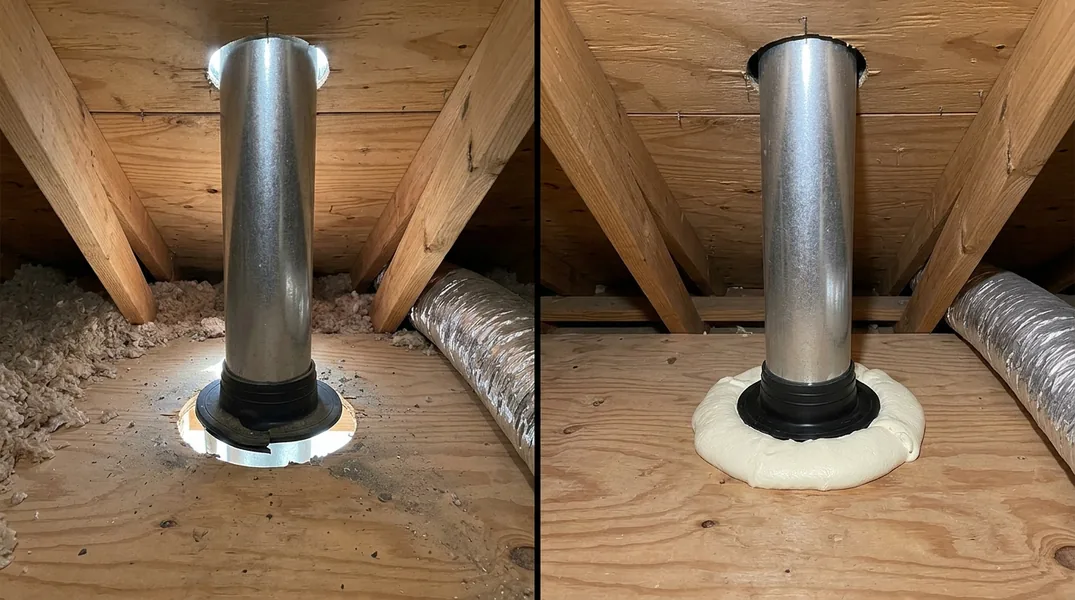
Understanding Spray Foam Attic Insulation: The Basics
Attic Spray Foam Insulation has revolutionized how homeowners approach energy efficiency and home comfort. Unlike traditional fiberglass batts or blown-in cellulose, spray foam creates an airtight seal that dramatically reduces heat transfer and air leakage. For homeowners in Midland, where summer temperatures soar and energy bills can climb quickly, this technology offers significant long-term savings.
Spray foam insulation comes in two primary types: open cell and closed cell. Both are applied as a liquid that expands and hardens into a solid foam, but they differ in density, performance characteristics, and cost. Understanding these differences is essential when deciding which option best suits your home's specific needs, climate conditions, and budget constraints.
What is Open Cell Spray Foam Insulation?
Open Cell Spray Foam Insulation has a lower density than its closed cell counterpart, typically weighing around 0.5 pounds per cubic foot. The cells in open cell foam are not completely sealed, which means air and moisture can pass through the material. This characteristic makes it more flexible and softer to the touch compared to closed cell foam. When applied to attic spaces, open cell foam expands significantly, filling cavities and creating excellent sound dampening properties.
One of the main advantages of open cell foam is its lower initial cost, making it an attractive option for homeowners working within a tight budget. It also allows your attic to breathe, which can be beneficial in certain climates. However, open cell foam has a lower R-value per inch (approximately 3.5 to 3.6 R-value per inch), meaning you need a thicker application to achieve the same insulation performance as closed cell foam. Additionally, because it's permeable to moisture, it requires proper ventilation and may not be ideal in areas prone to high humidity or water intrusion.
What is Closed Cell Spray Foam Insulation?
Closed Cell Spray Foam Insulation features a much higher density, typically around 1.5 to 2 pounds per cubic foot, with cells that are completely sealed. This dense structure provides a superior moisture barrier and exceptional thermal resistance. Closed cell foam offers an R-value of approximately 6 to 7 per inch, meaning you need only half the thickness of open cell foam to achieve equivalent insulation performance. This makes it particularly valuable in attic applications where space is limited.
The superior performance of closed cell foam comes with a higher price tag, but the investment often pays dividends through energy savings and enhanced home protection. Because closed cell foam creates an impermeable barrier, it effectively blocks moisture, air infiltration, and vapor transmission. This makes it ideal for Midland homes, where the intense summer heat and occasional temperature swings can stress traditional insulation systems. Closed cell foam also adds structural rigidity to your attic, which can strengthen the roof assembly and improve overall home durability.
Open Cell vs Closed Cell: Performance Comparison for Midland Homes
When comparing these two insulation types, several key factors emerge that directly impact your home's comfort and utility bills. Thermal resistance is perhaps the most obvious difference. Closed cell foam's higher R-value means better insulation performance with less material, while open cell requires greater thickness to achieve the same results. For attics in Midland, where cooling demands are intense during summer months, this efficiency advantage can translate into meaningful reductions in air conditioning costs.
Moisture management is another critical consideration. Open cell foam allows moisture vapor to pass through, which works well in drier climates but can become problematic in humid environments or areas with potential water intrusion. Closed cell foam's vapor barrier properties make it the better choice for creating a sealed attic insulation system that protects against moisture damage and mold growth. Additionally, closed cell foam provides better air sealing, preventing conditioned air from escaping through small cracks and gaps that open cell foam might not fully address.
Sound control differs between the two as well. Open cell foam's softer structure makes it excellent for dampening noise from outside traffic or weather events. If noise reduction is a priority for your home, open cell may offer superior acoustic benefits. However, for pure thermal performance and moisture protection in Midland's climate, closed cell foam typically delivers superior results.
Unvented Attic Spray Foam: Creating a Sealed, Conditioned Space
An increasingly popular application of spray foam in modern homes is creating an unvented attic spray foam system. Rather than insulating the attic floor and leaving the attic space unconditioned, spray foam is applied directly to the underside of the roof deck. This converts the attic into a conditioned space that's part of your home's thermal envelope. When properly installed, this approach can improve energy efficiency, reduce HVAC strain, and create usable attic space for storage or future expansion.
Creating an unvented attic requires careful attention to moisture management and building codes. The spray foam must completely seal the roof assembly to prevent outside air and moisture from entering. Closed cell foam is generally the preferred choice for unvented attics because its superior moisture barrier properties provide the protection needed in this application. Proper ventilation of soffit vents must also be blocked to maintain the integrity of the sealed system. For homeowners considering this upgrade, working with experienced professionals who understand local building requirements is essential to ensure the job is done correctly and safely.
Attic Spray Foam Insulation Cost in Midland: What to Budget
Cost is understandably a major factor in any insulation decision. Open cell spray foam typically ranges from 40 to 60 percent less expensive than closed cell foam, making it an attractive option for budget-conscious homeowners. However, the lower initial cost often requires thicker applications to achieve adequate R-values, which can offset some of the savings. Closed cell foam costs more upfront but delivers superior performance with less material, potentially resulting in better long-term value through energy savings and durability.
Several factors influence the final cost of attic spray foam insulation in your area. The size of your attic, the desired R-value, accessibility for installation, and whether you're upgrading existing insulation or starting fresh all play a role in determining your total investment. To get an accurate sense of what your project will cost, it's important to request a free estimate from a qualified local contractor. Midland Spray Foam Insulation offers transparent pricing and can help you understand the value proposition of each option for your specific situation.
Choosing the Right Spray Foam for Your Midland Home
Selecting between open cell and closed cell spray foam ultimately depends on your priorities, budget, climate considerations, and long-term goals. If you're primarily concerned with cost and your attic has good existing ventilation, open cell foam may serve your needs adequately. However, if you want maximum energy efficiency, superior moisture protection, and the best performance for Midland's hot, demanding climate, closed cell foam typically delivers better results despite the higher initial investment.
Your home's specific conditions also matter. If your attic has had any history of moisture problems, or if you're planning to create an unvented attic space, closed cell foam is generally the better choice. Consider consulting with a professional who can assess your attic's current condition, evaluate your insulation goals, and recommend the most suitable solution. The team at Midland Spray Foam Insulation can walk you through both options and help you make an informed decision that balances performance, durability, and cost. Contact us today at (432) 400-5155 or request a free estimate to explore your options and get started on improving your home's energy efficiency.
Looking for a professional spray foam insulation contractor in Midland? Midland Spray Foam Insulation responds fast for all your spray foam insulation needs.
Get a Free Quote