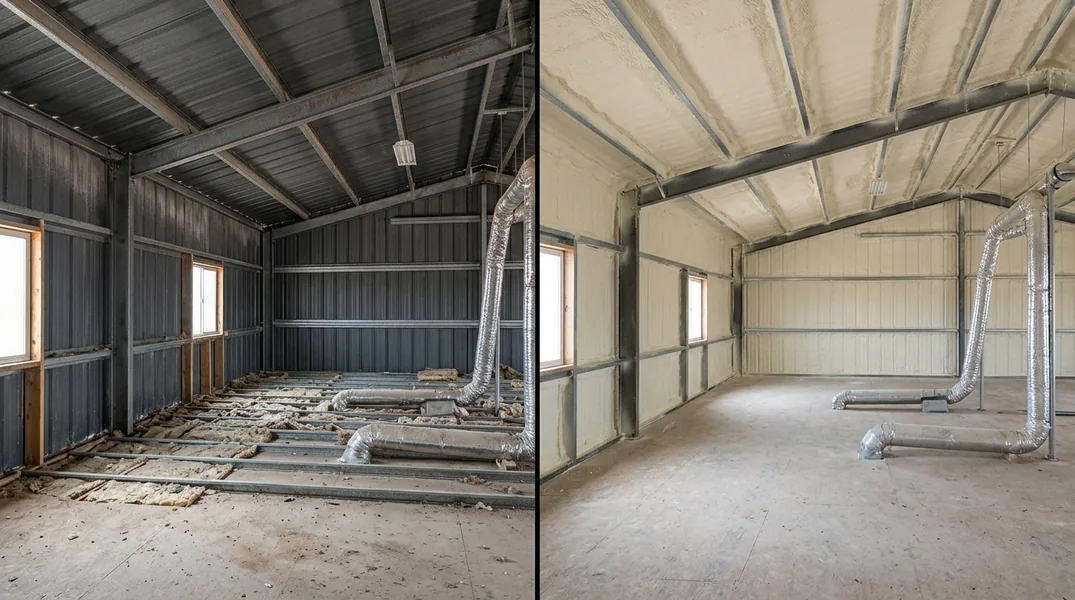
The Shift Toward Spray Foam in New Construction
Builders across the Permian Basin are making a significant shift in how they insulate new homes. What was once considered a premium upgrade is now becoming the standard choice in new-build subdivisions spreading from Midland toward Ector County. This trend reflects a growing recognition among construction professionals that spray foam delivers superior performance, durability, and long-term value compared to conventional insulation methods.
The reason for this transition is straightforward: homeowners and builders alike are recognizing the tangible benefits that spray foam provides. Unlike traditional insulation materials that settle, compress, or leave gaps over time, spray foam creates a seamless thermal and air barrier that maintains its R-value for decades. In a region where summer temperatures regularly exceed 100 degrees and energy costs continue to rise, this performance advantage translates directly into lower utility bills and greater comfort for residents.
Spray Foam vs Blown-In Insulation: A Clear Performance Winner
When comparing spray foam vs blown in insulation, the differences become apparent once you understand how each material works. Blown-in insulation, typically made from cellulose or fiberglass, is pneumatically installed into wall cavities and attics. While it offers decent initial R-value, blown-in materials are prone to settling over time, which reduces their effectiveness. In the Texas heat, this settling process accelerates, meaning homeowners may see their insulation performance decline by 10 to 15 percent within just a few years.
Attic Spray Foam Insulation addresses these shortcomings directly. Spray foam expands to fill every cavity, crack, and void in your attic space, creating a monolithic thermal barrier that doesn't settle or shift. This means the R-value you get on day one is the R-value you'll have ten, twenty, or thirty years later. Additionally, spray foam seals air leaks simultaneously as it insulates, which blown-in materials cannot do effectively. For homeowners in new subdivisions, this means better energy efficiency from the moment they move in.
Spray Foam vs Fiberglass: Why Builders Are Making the Switch
The comparison between spray foam vs fiberglass reveals why forward-thinking builders are upgrading their insulation standards. Fiberglass batts and rolls have been the default insulation choice for decades, and they remain affordable. However, they come with significant limitations that spray foam simply doesn't have. Fiberglass requires careful installation to achieve proper coverage, and even small gaps or compression can compromise the thermal envelope. In new construction, where builders are racing to complete homes, these installation inconsistencies are common.
Spray foam, by contrast, is installed by trained professionals who ensure complete coverage with no thermal bridging or air leaks. Closed Cell Spray Foam Insulation is particularly popular in new builds because it provides a higher R-value per inch, allowing builders to meet or exceed energy codes without consuming as much attic or wall space. It also provides structural reinforcement to the home and offers superior moisture and vapor barrier properties. For homeowners purchasing new homes in subdivisions from Midland to Ector County, choosing a builder who uses spray foam is an investment in long-term comfort and lower energy costs.
Best Insulation for Attic: Why Spray Foam Leads the Market
When homeowners ask what is the best insulation for attic spaces, spray foam consistently emerges as the superior choice. Your attic is ground zero for energy loss in most homes. Hot air rises, and in summer, your attic temperature can reach 150 degrees or higher. Without proper insulation, this heat radiates down into your living spaces, forcing your air conditioning system to work overtime. This is where spray foam makes a dramatic difference.
The best insulation for attic applications must accomplish three things: provide high R-value, prevent air leakage, and maintain its performance over time. Spray foam excels at all three. Unlike blown-in cellulose or fiberglass, which can shift and settle, leaving gaps that allow conditioned air to escape, spray foam creates an impermeable seal. It adheres to rafters, joists, and irregular surfaces, conforming perfectly to your attic's unique geometry. For new construction in rapidly developing subdivisions, this means homes are built with superior energy efficiency from day one, reducing the need for future insulation upgrades.
Spray Foam vs Cellulose: Understanding the Trade-Offs
Cellulose insulation is an eco-friendly alternative made from recycled paper, and it's often promoted as a sustainable choice. However, when evaluating spray foam vs cellulose, several important differences emerge. Cellulose, like fiberglass blown-in insulation, is susceptible to settling and compression. It also requires careful moisture management because cellulose can absorb and retain water, which can lead to mold growth and structural damage if not properly ventilated. In the humid climates of Texas, this moisture risk is a genuine concern.
Spray foam, particularly Open Cell Spray Foam Insulation, offers a middle ground for environmentally conscious homeowners. While not made from recycled materials, open cell foam is permeable, allowing moisture to pass through it without accumulating. This property makes it safer in humid climates than cellulose. Additionally, spray foam's superior air-sealing properties mean your home requires less total insulation material to achieve the same thermal performance, which can offset its higher upfront cost through energy savings. For new builds in Ector County subdivisions, this performance reliability makes spray foam the more prudent long-term investment.
Planning Your New Home: When to Choose Spray Foam Insulation
If you're purchasing a new home in a subdivision in or near Midland or Ector County, now is the time to discuss insulation options with your builder. Many builders are already offering spray foam as an option, and some are making it standard. The earlier you specify spray foam in your home's construction, the better. It's far easier and more cost-effective to install spray foam during the framing stage than to retrofit it later.
If you're building a custom home or upgrading an existing new construction, understanding your options is essential. The difference in pricing between spray foam and traditional insulation is narrowing as spray foam becomes more common. When you factor in the energy savings, improved comfort, and reduced HVAC strain over 20 to 30 years, spray foam typically pays for itself. For questions about whether spray foam is right for your specific situation, or to discuss your options, reach out to Midland Spray Foam Insulation at (432) 400-5155 or request a free estimate today. Our team can evaluate your new home or construction project and provide personalized recommendations based on your climate zone, budget, and performance goals.
Looking for a professional spray foam insulation contractor in Midland? Midland Spray Foam Insulation responds fast for all your spray foam insulation needs.
Get a Free Quote